A practical programme for learning window and door repairs.
The Windows and Doors Repairs Academy Galway training programme is built around the real work involved in repairing windows and doors: glazing, window maintenance, door mechanisms, advanced diagnostics, quotations, customer communication and business workflow.
Founding Pilot Intake 2026Only 5 Places AvailableStarts 1 October 2026October — December 2026Field-based training model
This programme is designed as a practical introduction to the window and door repair trade. Participants will learn how to recognise common faults, understand repair options, document site information, prepare clearer quotations and think like a professional repair contractor.
This is not a classroom-only programme. The pilot intake is planned to combine technical theory, selected real repair examples, supervised field-based learning, business guidance and FENIPAX workflow training, subject to product readiness.
Glazing is one of the core skills in window and door repairs. This module introduces participants to the structure of glass units, common glazing problems, measuring methods and replacement workflow.
Glass and glass units
single glazing;
double glazing;
triple glazing;
insulated glass units, also known as IGUs;
glass thickness;
overall unit thickness;
cavity / air gap;
spacer bars;
warm edge spacer;
argon-filled units;
desiccant;
primary and secondary seals;
edge seal failure.
Types of glass
clear float glass;
low-E glass;
K-Glass;
A-rated glass as a market term;
toughened / tempered glass;
laminated glass;
obscure glass;
patterned glass;
acoustic glass;
solar-control glass.
Diagnostics
condensation inside a glass unit;
foggy or misted double glazing;
cracked glass;
thermal stress cracks;
failed seals;
scratches;
water ingress complaints;
difference between internal condensation, external condensation and a failed sealed unit.
Practical learning
how to inspect a failed unit;
how to take useful photos;
how to measure width, height and thickness;
how to record spacer and glass details;
how to remove beads safely;
how to understand packers;
introduction to toe and heel;
fitting a replacement glass unit;
documenting a glazing job;
preparing a basic glazing quotation.
MODULE 02
Window Maintenance
This module focuses on how a window works as a complete system. Participants will learn the main components of uPVC windows and the common faults that lead to draughts, stiff handles, poor closing, water ingress and failed opening mechanisms.
Window construction
frame;
sash;
glazing beads;
gaskets;
drainage system;
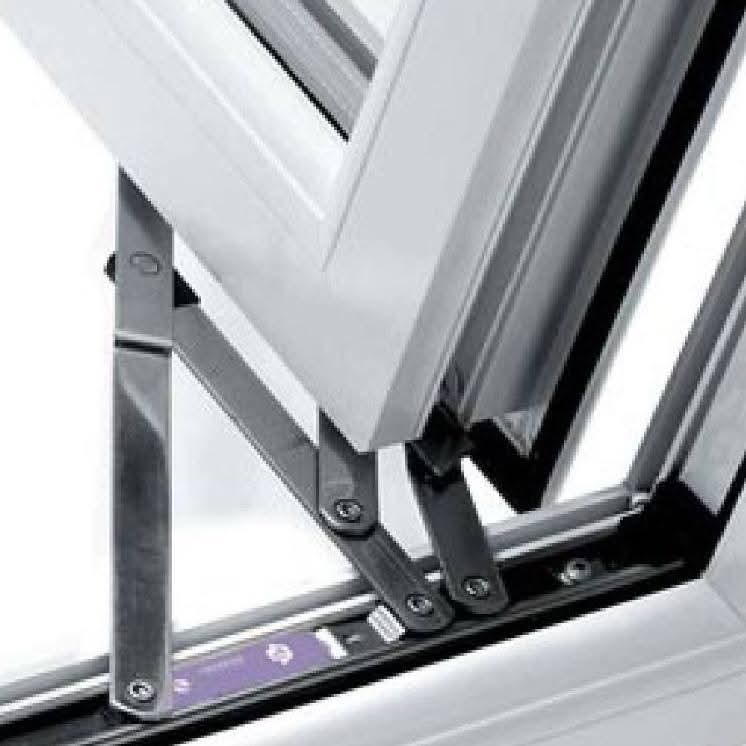
hinges / friction stays;
espag locks;
shoot bolts;
keeps;
handles;
restrictors;
trickle vents;
packers;
drainage caps.
Common faults
window does not close properly;
stiff handle;
handle turns but window does not open;
broken espag;
failed hinges;
draughts;
water ingress;
dropped sash;
damaged gasket;
blocked drainage;
noisy operation;
condensation complaints.
Practical learning
basic window inspection;
checking hinges;
checking espag locks;
identifying handle problems;
adjusting keeps;
replacing handles;
replacing friction stays;
understanding drainage;
checking gasket condition;
documenting parts required;
preparing a window maintenance quotation.
MODULE 03
Door Repairs & Maintenance
Door repair work is a major part of the window and door repair trade. This module introduces participants to common uPVC, composite and patio door faults, including alignment problems, lock issues, worn hardware and poor sealing.
Door types
uPVC doors;
composite doors;
aluminium doors;
French doors;
sliding patio doors;
thresholds;
door panels;
glazing in doors.
Locks and hardware
multipoint locking systems;
gearboxes;
cylinders;
anti-snap cylinders;
handles;
letterboxes;
keeps;
hinges;
flag hinges;
butt hinges;
shoot bolts;
patio rollers.
Common faults
dropped door;
lock not engaging;
key hard to turn;
handle lifting problem;
draughts around the door;
water under the threshold;
misaligned keeps;
worn hinges;
failed gearbox;
patio door hard to slide;
broken patio rollers;
damaged cylinder.
Practical learning
basic door inspection;
understanding door alignment;
checking keeps;
checking cylinders;
identifying multipoint lock problems;
adjusting hinges;
replacing handles;
replacing cylinders;
identifying patio door roller problems;
documenting a door repair job;
preparing a door repair quotation.
MODULE 04
Windows & Doors Upgrade / Advanced Diagnostics
Not every repair is a simple parts replacement. This module helps participants understand how to assess wear, recognise when a repair makes sense, and identify when an upgrade or replacement recommendation may be more appropriate.
Advanced diagnostics
recognising worn hardware;
recognising failed or compressed gaskets;
identifying installation-related issues;
recognising distorted frames;
understanding temporary vs long-term repairs;
knowing when not to overpromise;
recognising when specialist advice may be needed.
Gaskets and seals
bubble gasket;
flipper gasket;
wedge gasket;
E-gasket;
glazing gasket;
door frame gasket;
compression;
profile matching;
taking gasket samples;
avoiding assumptions about universal gaskets.
Upgrade options
low-E glass upgrades;
warm edge spacer upgrades;
improved sealed units;
anti-snap cylinders;
security handles;
window restrictors;
trickle vents;
hardware upgrades;
repair vs replacement recommendation.
Decision-making
when repair makes sense;
when repair is possible but limited;
when replacement may be more cost-effective;
how to explain options to customers;
how to document customer decisions.
MODULE 05
Business Setup, Marketing & Quotations
A repair skill only becomes a business when it is priced, documented and delivered professionally. This module introduces participants to the business side of window and door repairs.
Business basics
sole trader vs limited company, as a topic to discuss with an accountant;
bookkeeping basics;
VAT awareness;
public liability insurance;
terms and conditions;
deposits;
invoices and receipts;
warranties;
customer records;
GDPR basics.
Pricing and quotations
call-out fee;
labour rate;
minimum charge;
parts markup;
emergency rate;
quotation vs estimate;
deposit structure;
travel time;
job photos and notes;
customer approval;
documenting declined recommendations.
Customer communication
how to qualify a customer enquiry;
what photos to request;
how to explain repair options;
how to avoid overpromising;
how to follow up;
how to request reviews professionally.
Marketing
Google Business Profile;
local SEO;
service pages;
customer reviews;
before/after photos;
Facebook local groups;
basic paid advertising awareness;
building trust locally.
Tools and setup
basic tool kit;
glazing tools;
PPE;
sample gasket kit;
hardware samples;
van setup;
supplier workflow;
stock control.
MODULE 06
FENIPAX for Contractors
FENIPAX is being built as an all-in-one workflow system for window and door contractors. The academy is planned to introduce participants to structured inspection, quotation and job control workflows using FENIPAX, subject to product readiness.
Inspections
customer details;
site notes;
photos;
measurements;
fault description;
repair recommendation.
Quotations
structured pricing;
labour;
parts;
notes;
customer-ready outputs;
quote status.
Workflow
job stages;
parts lists;
warehouse activity;
orders;
customer records;
reports;
follow-up.
Practical learning outcomes
Practical learning outcomes
The programme is designed to help participants understand the workflow of a professional window and door repair business.
identifying common glazing, window and door faults;
measuring and documenting glass units;
recognising key window and door hardware;
understanding common repair options;
identifying when a repair may not be the best option;
preparing clearer job notes;
preparing basic quotations;
communicating repair options to customers;
using a structured job workflow;
understanding the basics of starting or adding a repair service.
How the modules connect
From diagnosis to quotation to repair workflow.
The academy is designed to connect technical repair knowledge with the real workflow of running a professional repair service. Participants will not only learn about parts and faults; they will also learn how information moves from a customer enquiry into a quote, a job, a repair and a follow-up.
01Customer enquiry
02Photos and basic information
03Site inspection
04Diagnosis
05Measurements and parts identification
06Repair options
07Quotation
08Scheduling
09Repair work
10Completion notes and follow-up
Safety and field training
Safety and field training
Some field training days may require appropriate PPE, Safe Pass, Manual Handling or other safety requirements depending on the nature of the training site and the work being observed or carried out. Final requirements will be confirmed before the programme starts.
Founding Pilot Intake 2026
Ready to apply for the first intake?
The Founding Pilot Intake 2026 is limited to 5 selected participants. Applications are reviewed before places are offered.